

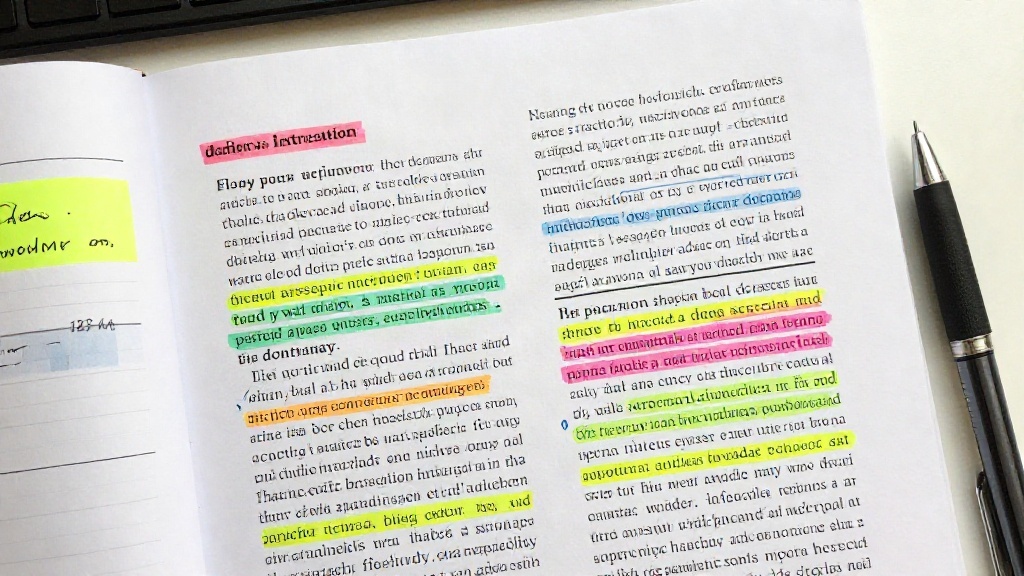
We break down a first-class essay submission sentence by sentence — explaining every structural decision, every argument move and every citation choice that contributes to the highest mark. This is a window into the thinking behind exceptional academic writing.
What separates a first-class essay from a strong upper second? The difference is often not content knowledge — students at both levels typically know the material. The difference lies in how the argument is constructed, how evidence is deployed, how the writer signals their reasoning to the reader, and how consistently the academic register is maintained throughout.
This analysis uses a composite first-class essay structure — drawn from common features across high-scoring submissions across disciplines — to illustrate what excellent academic writing looks like, and why it works.
The opening paragraph: precision over context-setting
Weak opening paragraphs begin with broad context ("Throughout history...") or with definitions that belong in a dictionary, not a university essay. Strong opening paragraphs begin with the argument. The first sentence of a first-class essay makes a claim. It is specific, arguable and interesting. It signals immediately that this writer has something to say, not just something to describe.
The opening paragraph ends with a clear thesis — one sentence that states the core argument the essay will demonstrate. Not "this essay will argue that..." — but the argument itself, stated directly.
Body paragraphs: the PEEL structure and its refinements
First-class body paragraphs follow a clear structure: Point (topic sentence stating what this paragraph establishes), Evidence (quotation, data, example), Explanation (what this evidence means and why it matters for the argument), Link (explicit connection back to the thesis). This is the basic PEEL structure.
What distinguishes first-class paragraphs is the quality of the explanation step. Most students can find a relevant quotation. Fewer can explain clearly why that quotation supports their specific argument rather than just relating to the topic generally. The explanation step is where critical thinking becomes visible on the page.
Transitions: making argument logic explicit
First-class essays do not use generic transitions ("Furthermore", "In addition", "Moreover"). They use transitions that carry argumentative meaning: "However, this account fails to account for..." or "This evidence complicates the picture in an important way..." or "What this demonstrates is not X but rather Y..."
Transitions in high-scoring essays advance the argument rather than just connecting paragraphs. Each transition should tell the reader both what comes next and why it matters for the argument being built.
Excellence in academic writing is not about using complex language. It is about making complex thinking visible and followable.